
Gary Null’s Newsletter
Issue 026

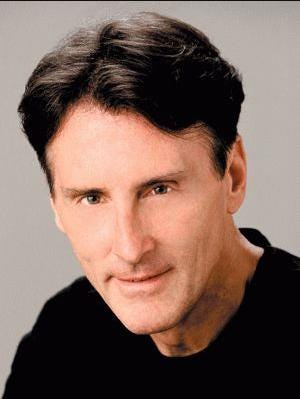
In this week’s Gary Null’s Newsletter:
• Vegetarianism, Part 7: The Good News about Vegetarian Diets
• Gary Null’s Show Notes
• Recipe for Cream of Mushroom Soup
Vegetarianism, Part 7: The Good News about Vegetarian Diets
By Gary Null
“Few of us are aware that the act of eating can be a powerful statement of commitment to our own well-being, and at the same time the creation of a healthier habitat. Your health, happiness, and the future of life on earth are rarely so much in your own hands as when you sit down to eat.” — John Robbins, Author of Diet for a New America and Food Revolution
Now that we’ve seen plenty of evidence that the perils associated with an animal- based diet are real and true, we will spend some time speaking about the good news related to vegetarian diets, including the host of diseases and disorders you will avoid, or significantly reduce your chances of developing in your lifetime by adopting this diet.
Following a vegetarian diet has been demonstrated to offer more associated health benefits than a meat-based diet. These include increased protection for a host of chronic conditions: from heart disease and cancer to obesity and diabetes 2.1
No doubt health is the concern that leads many people to opt for and stay with vegetarianism, or a predominantly plant-based life. It boils down to the fact that replacing fatty meats with lighter plant proteins radically shifts what is nourishing your body in a way that boosts general health and lowers the risk of contracting many diseases. By eliminating the saturated fats and cholesterol found in meats in abundance, for example, one depresses one’s chance of coming down with breast and colon cancer, which have been linked to consumption of these substances. Meats’ fats and cholesterol also contribute to hardening of the arteries and heart disease. Eating too much animal protein, coincidentally, has been tied to a long list of diseases, including stroke, osteoporosis, liver and kidney disorders, and arthritis. Let’s take a look at some of the correlations between the vegetarian diet and health as it exists today.
Fiber, Disease and Vegetarianism
We Need More Fiber
Those that turned to vegetarianism because they wanted enhanced physical well- being did so not only to avoid the toxins and cholesterol in meat and dairy, but because of the positive nutritional benefits of a diet of vegetables, fruits, grains, and seeds. Important among these benefits is that vegetables and grains are rich in fiber. A diet high in fiber improves the functioning of the digestive tract, resulting in less constipation and gas as well as helping ward off gastrointestinal diseases.
There are two different types of fiber, soluble and insoluble; soluble fiber dissolves in water and insoluble fiber does not. Both are important in the diet, and to some degree these differences determine how each fiber functions in the body and benefits your health. Soluble fiber attracts water and forms a gel, which slows digestion. It is incredibly helpful in controlling weight because it delays the emptying of your stomach and promotes a “full” feeling. Slower stomach emptying may also affect blood sugar levels, which can be helpful in controlling diabetes and symptoms like lethargy and moodiness linked to shifting blood sugar levels. Soluble fiber can also help lower harmful LDL blood cholesterol levels by interfering with the absorption of dietary cholesterol. Examples of soluble fiber are oatmeal, lentils, apples, oranges, pears, oat bran, strawberries, nuts, flaxseeds, beans, dried peas, blueberries, cucumbers, celery, and carrots.2 Insoluble fiber provides roughage. I brought this up before when I put down a few bullet points about the benefits of fiber found in plant foods, not meats. As I said previously, fiber “scours the intestinal walls, removing some potentially toxic agents, which would otherwise accumulate.” It is the considered gut-healthy fiber because it has a laxative effect and adds bulk to the diet, helping prevent constipation. Since this fiber does not dissolve in water, it passes through the gastrointestinal tract relatively intact, and speeds up the passage of food and waste through your gut. Insoluble fiber is mainly found in whole grains and vegetables. Sources include whole grains, wheat bran, corn bran, seeds, nuts, barley, couscous, brown rice, bulgur, zucchini, celery, broccoli, cabbage, onions, tomatoes, carrots, cucumbers, green beans, dark leafy vegetables, raisins, grapes, fruit, and root vegetable skins.3
Let’s look at why a few years ago the role of fiber came as such a revelation to many in the medical world. Dr. Denis Burkitt, one of the foremost researchers in the field of dietary fiber and disease, explains that fiber has been “neglected because it contributes little nutritionally despite its important role in maintaining normal gastrointestinal function.”4 Because it is not a “nutrient,” in the sense that fiber itself doesn’t supply vitamins or minerals, it wasn’t getting much respect. The important role of fiber was all but dismissed or ignored until, that is, the absence of its “services” begun to come to light.
This may be why American eaters acquiesced in the changeover to a low-fiber diet, which began in the 1870s, when new milling techniques replaced stone mills. White bread suddenly became readily available to everyone, replacing the healthier, hearty brown and black breads previously eaten as a staple by the less-than-wealthy. Overall consumption of whole, unrefined grains has decreased since the late 1800s, where there has been a prolific increase in refined grains, breads, cereals, etc., as well as more treacherous foods such as meat, dairy, and both sugar and salt in the form of various confections, potato chips, and other hazardous “treats” in the American diet. Between 1890 and 1960, the national intake of sugar more than doubled, and fat intake also rose.
While the majority of the US public continues heedlessly to eschew fiber, Dr. Burkitt’s work substantiates the wisdom of the common vegetarian practice of including “whole foods” in the diet—whole grains, whole-wheat breads and pastas, and skin left on fruits and vegetables, all filled with fiber. Before these green eaters had the scientific backing that Burkitt and others provided about the value of fiber, they were eating something in abundance that we now know is invaluable.
“Many diseases common in modern western civilization have been related to the amount of time it takes food to pass through the alimentary tract, as well as to the bulk and consistency of stools,” Burkitt writes. He adds, “These factors are influenced by fiber in the diet, especially cereal fiber,” which speeds the flow. His research shows that lack of fiber leads to “changes in gastrointestinal behavior” that is suspect in such ailments as appendicitis, diverticulitis, gall bladder disease, cardiovascular disease, diabetes, hemorrhoids, varicose veins, hiatus hernia, and certain forms of cancer.5 Benign and malignant tumors and ulcerative colitis are “more dependent on environmental than on genetic factors,” Dr. Burkitt reported in the Journal of the American Medical Association.6 The colon’s “environment” is predominantly determined by the quality of the food that passes through it and the speed of its transit.
With a low-fiber diet, there is generally not enough weight and bulk in the fecal waste to move it quickly through the intestinal tract. The waste then becomes concentrated and sluggish, as it makes its slow progress. Prolonged bowel transit time is suspect in appendicitis as well as in colon and rectal cancer. Not only do low-fiber diets slow digestion, they may lead to changes for the worse in the type and number of fecal bacteria, which has been linked to increased incidence and severity of bowel disease.
A very slowed-down movement of waste through the intestines is another name for constipation, which typically leads to more serious ailments over time. As Dr. Burkitt writes, consuming the right amount of indigestible fiber can both prevent and cure constipation.
A diet lacking it [fiber]—that is, one made up chiefly of meat, peeled potato, white bread, and concentrated sweets—is a common cause of atonic constipation (when the colon is not responding to normal signals to evacuate waste), because the food mass moves sluggishly through the digestive tract and the lack of moisture- holding bulk makes the stool dry and difficult to pass. Constipation is a factor in health problems; because of the straining, it can cause varicose veins, which affect some 10% of the American adult population. In this, the intra-abdominal pressure is abnormally increased, which may lead to the damaging of the proximal valves in our legs. This mechanism seems to lead to the onset of hemorrhoids and hiatus hernia. Almost half of our over-50 age group suffers from this preventable and often extremely painful condition.
Constipation is uncommon among people who live largely on unrefined plant foods from which the cellulose (as in the bran of grains) has not been removed. We digest the digestible parts of what we eat and the rest remains as bulk for bowel hygiene. Cellulose residue absorbs and holds moisture and so gives bulk to the bowel contents. This stimulated peristalsis prevents stagnation of materials in the colon, and keeps the fecal matter soft and easy to evacuate.7
Alas, this clear and informative message, written more than 30 years ago, remains hidden in a periodical stashed on a back shelf in most medical libraries, seldom consulted except by those who want to look beyond the alleged common sense of today’s meat extollers. Indeed, a recent study conducted at the University of New Hampshire indicates quite clearly that it is those who cling to the meat gospel who are most likely to suffer constipation problems.
The findings showed that there were five distinct eating groups, of which the largest, the “meat and potatoes” crowd, tended to be overweight, lower middle-class, conservative, small-town residents. Chronic constipation was rampant in this group; many believed a weekly bowel movement was normal. On the other end of the spectrum, representing some 15% of those surveyed, was the “naturalist” group. These people tended to be younger, more affluent, interested in creative cooking, and—this is key—more conversant on health matters in relation to diet, as well as more conscious of food additives and preservatives. Notably, constipation was far less of a problem among them.8
Diabetes and Lack of Fiber
The connection of fiber consumption to intestinal health is easy to understand in contrast to the links between a lack of fiber and diabetes, which are far from obvious. And this difficulty in grasping the relationship, which translates into a general lack of awareness, is not helped by the fact that important medical groups also ignore the connection. The diet condoned by both the American Diabetic Association and the American Dietetic Association is an example of this ignorance, in that the diet is high in saturated fat, cholesterol, and refined carbohydrates and deficient in complex carbohydrates and dietary fiber.
Dietary fats decrease the utilization of what little insulin the diabetic may still be able to produce, while fiber, on the other hand, is needed to regulate blood-sugar fluxes. (As most readers know, diabetes arises when a person’s body has trouble either producing insulin (type-1 diabetes) or utilizing insulin (type-2 diabetes), which regulates the amount of sugar in the blood.) While the recommended diet causes trouble to the diabetic, studies suggest a low-fat, high-complex-carbohydrate diet can reverse both diabetes mellitus (type-2 diabetes) and hypoglycemia. At this point, I’m now not talking simply of fiber, but of a broader dietary program that draws from the whole panoply of green foods.
Those who advocate this plant-based program for people suffering from diabetes, recommend total consumption of carbohydrates be increased, with emphasis on complex carbohydrates. Concurrently, the consumption of refined sugars should be significantly decreased or altogether eliminated. These goals can best be accomplished by substituting grains, legumes, vegetables, and fresh fruits (all high in fiber and nutrients), for meat, dairy products, and refined and processed foods.
Moreover, all the physical problems I’ve mentioned so far have to do with eating properly cooked meat. Health disaster after disaster has appeared in the news where people were hospitalized when they undercooked, for instance, a pile of ground beef that was contaminated with E coli or other bacteria. Each time such an outbreak occurs, the government tells meat consumers to make sure they prepare and cook their food properly, implicitly acknowledging that the government itself cannot adequately prevent poultry and mammalian food contamination.
Let me add that the government’s admission that it can’t protect consumers from diseased meat does not mean those few who hunt game in the wild are safer than the majority who get their meat from a butcher. It’s been discovered that a large population of deer and elk in the West are afflicted with prion, which causes severe neural degeneration.9 Although there have been no proven cases of direct transmission, potential infection should cause concern for any wild game hunter.
So whether you shoot it yourself or pick it up at the nearby food mart, meat is unhealthy, either in the short-run, if the meat is contaminated, or in the long run, since years of meat consumption typically end in sickness.
In a 2011 analysis of the scientific literature on vegetarianism and vegan diets entitled Health Implications of a Vegetarian Diet: A Review, researchers confirmed a wealth of evidence demonstrating the health-promoting effects of vegetarianism and veganism. The scientific data convincingly establishes that a plant-based diet reduces many of the leading causes of morbidity and mortality such as obesity, diabetes, cancer, and heart disease as well as some types of cancer. Furthermore, the vegetarian diet increases life expectancy.10
General Muscle Health
One additional area is muscle strength, which is a good area for us to begin with since most bodybuilders argue that meat is essential for strength. In general, muscle strength is of vital importance in maintaining one’s capacity for physical activity and mobility. And protein is required for the repair and creation of muscle tissue. In a revealing study, researchers looked at the incidence of sarcopenia in the elderly. Sarcopenia is characterized by the loss of skeletal muscle tissue and an increase in muscle fat. Often times, we are not aware that this process is occurring, and typically osteoporosis is blamed for falls and hip fractures when researchers have found that the real culprit is a loss of muscle strength that increases the risk of falling. Their conclusions support the fact that it is a decrease in the synthesis of muscle protein and poor nutritional status in the elderly that is the primary cause of sarcopenia. This is highly relevant because animal-based proteins require more energy for digestion and assimilation than plant-based proteins. Further, because humans lack the necessary enzymes to digest animal products completely, a certain amount of these foods remain undigested, cheating the body of nutrients. Poorly assimilated protein would naturally lead to a corresponding decrease in muscle protein synthesis.11
On a similar but related topic, new research shows a correlation between lack of exercise and free radical damage to intramuscular mitochondrial DNA as contributors to loss of muscle strength. Mitochondria are the power plants for every cell in our body, and as mitochondria die, there is a corresponding decline in muscle function.
In addition, muscle quality is negatively affected by protein cross linking—a process whereby two proteins link together to form strong chemical bridges—which further damages the mitochondria and resultant tissues. An example of this effect, which you may be familiar with already, is related to skin aging. In this case, glucose molecules link themselves to the amino groups of tissue proteins such as collagen, and slowly rearrange their youthful structure into culprits that end up causing wrinkles, discoloration, and loss of elasticity to name a few. Consequently, protein that is derived from foods high in saturated fat accelerates this cross-linking process.
Throughout these articles, it will become transparently clear that a vegetarian diet provides more than enough protein to support a healthy physiology, but it also does far more; it preserves the natural state of the body. The vegetarian diet packs an overwhelming advantage with an antioxidant counterpunch that helps to neutralize the free radical and cross-linkage damage that naturally occurs from protein metabolism.
Critics and skeptics abound regarding the protein adequacy of a vegetarian and vegan based diet. One such critic was the American Dietetic Association. They have retracted their former position and now acknowledged the fact that protein requirements are met on a plant-based diet. Importantly, the ADA has also acknowledged the undeniable health benefits derived from vegetarianism, including vegan diets, in their updated position paper. They stated that “appropriately planned vegetarian diets, including total vegetarian or vegan diets, are healthful, nutritionally adequate and may provide health benefits in the prevention and treatment of certain diseases. Well-planned vegetarian diets are appropriate for individuals during all stages of the life cycle including pregnancy, lactation, infancy, childhood and adolescence and for athletes.”12
In another important study published in the peer-reviewed journal American Journal of Clinical Nutrition, investigators found that a variety of “plant proteins can serve as a complete and well-balanced source of amino acids for meeting human physiological requirements.”13
While no studies to date have analyzed muscle quality between vegetarians and omnivores, there are studies that prove that vegetarians weigh less and have a lower body mass index. BMI is one way to calibrate the fat content in the body relative to a person’s height and weight. Even though the quality of one’s diet is closely linked to body composition, be mindful of the fact that exercise, too, can significantly impact the strength and quality of muscle tissue, which affects BMI, since muscle is denser and weighs more than fat.
Still, one quick search on the Internet will reveal any number of powerful looking vegan bodybuilders. In fact, one Romanian Olympic athlete study found those who took 1.5 grams of Supro soy protein daily for two months experienced greater increases in body mass, strength, serum proteins, and calcium, as well as dips in post-training fatigue, compared to athletes who didn’t take soy protein.14 The key to all of this is to get away from monotheistic thinking about diets and purposes for certain diets—for example, the unfounded and harmful myth that “I’m going to be a meat eater because that will get me better muscle development.” This will only lead to health problems down the road, as we’ve discussed a bit so far and will see in more detail later.
Bone Health and Vegetarianism
Bones are far more complex than they are given credit for. They are the solitary source of many important minerals—like calcium and phosphorus—and furnish these minerals to all of the other organs in the body. Every nerve and muscle cell requires calcium to send chemical signals; the bones provide the calcium. Every cell requires phosphorus, and the bones supply that as well. Calcium and phosphorus are so vital to the health of the body that the proper amounts of each must be properly sustained for tissues to function properly. The bones serve as the body’s sole repository for each of these precious minerals.
One major affliction related to bones is osteoporosis, which is linked to the loss of calcium. According to a report issued in June of 2014 by the National Osteoporosis Foundation, 54 million Americans are living with or at-risk of osteoporosis and low bone mass, which causes two million bone breaks every year.15 The number is speculated to increase to 71.2 million by the year 2030. Amy Porter, executive director and CEO of NOF, notes the burden to our nation by stating that Medicare (our tax dollars) pays the cost for repair in 80% of these bone breaks.
A common error that many make when speaking about warding off bone loss is to recommend dairy products. In fact, a 12-year Harvard study of 78,000 women reported that those who drank milk three times a day actually broke more bones than women who rarely drank milk. A similar study in Sydney, Australia, showed that higher dairy product consumption was associated with increased fracture risk.16 Furthermore, one UK study sponsored by the Government’s Food Standards Agency (FSA) found that only 43% of the mean intake of calcium in adults came from milk and milk products.17 This demonstrates that a large share of the calcium in our diets is derived from sources other than dairy foods, which is not surprising as most people in the world (around 70%) obtain their calcium from plant-based sources rather than dairy products.18
As I wrote in my book Get Healthy Now!: A Complete Guide to Prevention, Treatment, and Healthy Living, registered nurse and acupuncturist Abigail Rist- Podrecca noted, “When I was in China, we noticed that no dairy was used. We expected to see a high incidence of osteoporosis, rickets, and other bone problems. In fact, we saw the lowest incidence. In the West, dairy is used a lot and osteoporosis is rampant. Something is not quite right here.”
While the NOF misses the boat by recommending dairy and “plenty” of it, they also extol the benefits of a wide variety of fruits and vegetables. They also note that recent research has found olive oil, soy beans, blueberries, and foods rich in omega-3s like flaxseed oil may also have bone boosting benefits.19 Additionally, adequate levels of vitamin D are required for calcium absorption.
In reality, the value of the vegetarian diet for bone health is superior. Plant foods promote bone growth and repair. Green, leafy vegetables contain vitamin K, beta carotene, vitamin C, fiber, calcium, and magnesium, which enhance the bones. Other calcium-rich foods include broccoli, nuts, and seeds.
Sesame seeds have high calcium content. The Chinese, who as mentioned earlier have low rates of osteoporosis, use sesame often in their foods and cook with sesame seed oil.
Foods to avoid include sugar, caffeine, carbonated sodas, and alcohol, as these contribute to bone loss. Chicken, fish, eggs, and meat are also contraindicated. These are high in the amino acid methionine, which the body converts into homocysteine, a substance that causes both osteoporosis and atherosclerosis.
Other Health Issues Benefited by a Vegetarian Diet
Vegetarianism and Health: What the Studies Show
The plain fact is that reliable, undivided science does support the benefits of adopting a properly balanced vegetarian way of eating. In an almost symbolic acknowledgement of this fact, on January 2, 1996, for the first time the US Secretary of Health and Human Services endorsed the healthfulness of a vegetarian diet. In fact, for the first time ever, in 2015 the USDA acknowledged that a plant-based diet is sufficient for good health. The data has been in for decades now, and they demonstrate one thing: Vegetarianism offers significant health benefits. The studies are there—hundreds of them—in peer-reviewed scientific journals. I know because I have numerous reprints in my office.
But remember what I said earlier in these articles when speaking about how we learn (the field of epistemology). By the time we have learned something and it becomes social norm (an agreed upon set of social behavior), we must go through a similar process of unlearning something when this formerly agreed up on set of behavior proves invaluable for the society at large. My primary purpose in presenting this material is to fortify efforts toward creating a new social norm when it comes to health, including the foods we find acceptable to consume in our society.
So far in this book, I have thrown in a number of passages that speak to the value of green eating, noting, for instance, the importance of having a lot of fiber in your diet. But I admit a lot of what we’ve covered health wise are the disastrous consequences of meat and dairy consumption. Such discussions may have frightened you. When you read the following pages and find out more about the health- improving and disease-curtailing effects of a vegetarian diet, you will shed your fear and boost your spirits.
Vegetarianism and the Heart
Let’s stay with this broader perspective as we further investigate disease and diet, first taking a look at cardiovascular disease, the leading cause of death in America. We should note that a major risk factor in heart disease is hypertension, or high blood pressure. The symptoms, such as fatigue and poor circulation in the extremities, are frequently ignored because people consider them normal parts of aging. But they’re not. In heart disease, the blood vessels are narrowed, typically because they are coated with cholesterol and plaque, and the heart has to pump harder to get blood through these ever-narrowing channels. Extra exertion in the form of exercise or stress can put the body in jeopardy. Because the heart is working harder, and the actual amount of blood getting through the vessels is reduced, there may be insufficient oxygen supply to the muscles and the brain with these extra demands. Heart attack and stroke are possible consequences.
As established previously, meat, dairy, and refined foods bear major responsibility for the cholesterol overlay in the blood circulation channels. What I haven’t noted yet is that a vegetarian diet has a blood-pressure lowering effect, which has been documented numerous times. In fact, if many of the claims for the value of vegetarianism are based on research done in the last few decades, as noted in one recent study,20 scientific interest in this beneficial effect of a meat-free diet goes back to the early decades of the 20th century, when it was shown that hypertension was worsened by meat intake. In studies done at that time, vegetarian college students who added meat to their diets saw their blood pressure increase significantly within two weeks.
Since those early days, research about the connection between diet and blood pressure has not ended, nor have the results been much different from those found at the beginning of the last century. You can know this simply by glancing at a recent article in The American Journal of Clinical Nutrition, whose conclusion reads, “There is now strong evidence for a blood-pressure lowering effect of a lacto-ovo vegetarian diet... The effect is independent of sodium and energy intake and of other aspects of lifestyle that tend to characterize vegetarian populations.” Furthermore, the report points out that “cardiovascular risk in general is low in people adhering to a lacto-ovo vegetarian diet, not only because their blood pressures are lower and tend to rise less with age, but also because they carry less excess fat and tend to have healthier blood lipid profiles than do meat eaters.”21
You might have noted in the last but one quote the use of the words “independent of,” which is to say, the effects of lower blood pressure were found even after discounting for other factors. I’ve brought up this point before, as have adversaries of research pertaining to vegetarians: In studies of the health of vegetarians, it can be hard to pin down exactly how much a benefit is tied to green eating and how much might be the product of other good habits vegetarians typically cultivate, such as exercising regularly, consuming less alcohol, not smoking, yoga and meditation, regular sleep, and so on.
Ischemia, or coronary heart disease (IHD), is the most common cause of death in the West22, with no sign of it being dethroned in the foreseeable future. While the role of diet in IHD has been controversial over the years, new research is surfacing to prove the effectiveness of a plant-based diet in the prevention and significant reduction in cardiac events.
In his book, Prevent and Reverse Heart Disease: The Revolutionary, Scientific, Nutrition-Based Cure, Caldwell Esselstyn, Jr. M.D. asserts “Coronary heart disease is a benign food-borne illness which need never exist or progress,” and presents the results of a 20-year study—the longest study of its kind ever conducted—proving changes in diet and nutrition can actually cure heart disease. Dr. Esselstyn, a former internationally known surgeon, researcher, and clinician at the Cleveland Clinic, argues that conventional cardiology has failed patients by developing treatments that focus only on the symptoms of heart disease, not the cause.23
The study included 17 patients with advanced coronary artery disease who had a total of 49 cardiac episodes and had undergone aggressive treatment procedures, including multiple bypass operations. Five of them were given less than a year to live. Participants’ cholesterol levels, angina symptoms, and blood flow improved dramatically after a few months. After 5 years, their average cholesterol dropped from 246 mg/dL to 137. (Above 240 mg/dL is considered “high risk,” below 150 mg/dL is the total cholesterol level seen in cultures where heart disease is essentially nonexistent.) This is the most profound drop in cholesterol ever documented in the medical literature in a study of this type. Twelve years later, these participants had no further cardiac events. Those who adhered strictly to the diet, eliminating meat, dairy, fish, and added oil, survived beyond 20 years symptom free.
Their angiograms showed a widening of the coronary arteries, and thus a reversal of the disease. Dr. Esselstyn notes:
“The dietary changes that have helped my patients over the past twenty years can help you, too. They can actually make you immune to heart attacks. And there is considerable evidence that they have benefits far beyond coronary artery disease. If you eat to save your heart, you eat to save yourself from other diseases of nutritional extravagance: from strokes, hypertension, obesity, osteoporosis, adult-onset diabetes, and possibly senile mental impairment, as well. You gain protection from a host of other ailments that have been linked to dietary factors, including impotence and cancers of the breast, prostate, colon, rectum, uterus, and ovaries.”24
While, as noted, this is the longest study on the subject to date, there are other studies demonstrating the positive relationship between a plant-based diet and the reversal of IHD.
Research on Seventh-day Adventists, acknowledging that their overall health may also be the result of their refusal to drink alcohol or smoke, compared a group of Adventists with a group of meat-eating Mormons, similar in their religious commitment and abstinence from caffeine, alcohol, and tobacco. The Adventists had significantly lower blood pressure, obesity, and cholesterol levels than the Mormons.25 Similar results have been found in other studies involving comparisons between vegetarian Adventists and other groups that have similar profiles except that the other groups are not green eaters.26 Even more telling are studies that compare these meat-eating Adventists and their vegetarian counterparts; they showed, with the exception of those under 25 years of age that the meat eaters had higher serum cholesterol levels than the vegetarians.27
A similar study comparing cholesterol levels of vegetarian and non-vegetarian Seventh-day Adventist teenagers (aged 12-17) found that the vegetarians had significantly lower cholesterol levels.28 While heart disease is not typically a concern for adolescents, patterns established early in life tend to continue on into later years, when risks of heart disease increase.
In addition to higher cholesterol in meat-eaters, levels of triglycerides— substances found in animal fats, which, when found to be in elevated levels in the blood, are connected to the occurrence of heart problems—are also higher in meat eaters.29 Perhaps most telling of all is what we find when we look at death rates from heart problems. Again, looking at Adventists, a study in The American Journal of Clinical Nutrition found that “the risk of fatal coronary heart disease among non- vegetarian Seventh-day Adventist males, ages 35 to 64, is three times greater than [that for] vegetarian Seventh-day Adventist males of comparable age.”30 The report cites lower total or saturated fat intake and higher intake of dietary fiber as probable factors in the better statistics for the vegetarian group.
But the evidence doesn’t stop there; recently, more and more information is coming to the fore regarding the value of a proper vegetarian diet in the reduction of heart disease. One study, published in January 2013 in The American Journal of Clinical Nutrition, reported that going meatless reduces the risk of heart disease by 32%. The study involved 44,561 men and women (34% of whom consumed a vegetarian diet) living in England and Scotland who were taking part in the European Prospective Investigation into Cancer and Nutrition (EPIC)-Oxford study.31 The EPIC study— the largest detailed study of diet and health ever undertaken—commenced in 1992 and included 500,000 people in 10 European countries. Oxford was one of two United Kingdom “cohorts” (a large group of people who have joined a study and whose health is being followed). The strategy for establishing the EPIC-Oxford cohort was to recruit participants with a wide range of diets by targeting vegetarians as well as participants from the general UK population. Researchers praise the EPIC- Oxford for its great scientific value because the diets of vegetarians, and especially vegans, differ substantially from those of meat-eaters and this range in diets made it easier to detect relationships between nutrition and health.32
Another eye-opening study published in April of 2013 in the journal Nature Medicine by a research team led by Stanley Hazen, M.D, Ph.D., of Cleveland Clinic, unequivocally demonstrated the cardiovascular health benefits of vegan and vegetarian diets.33 This time the study was not about saturated fat or cholesterol— two leading factors contributing to atherosclerosis (the hardening or clogging of the arteries)—it was for carnitine, a compound abundant in red meat and regularly added as a supplement to popular energy drinks.
In this case, the results of this study are significant in that they demonstrate the positive effects of a plant-based diet toward the prevention of heart disease, unrelated to lifestyle factors OTHER than the diet itself. Therefore, the results do not fall into the trap I noted above, where the value of the diet could be in question because of the health-enhancing effects of the vegetarian lifestyle.
Specifically, the study showed that bacteria living in the human digestive tract metabolize the compound carnitine, turning it into trimethylamine-N-oxide (TMAO), a metabolite—which simply means a product of metabolism—the researchers previously linked in a 2011 study to the promotion of atherosclerosis in humans. The research further found that a diet high in carnitine promotes the growth of the bacteria that metabolize carnitine, thereby compounding the problem by producing even more of the artery-clogging TMAO.
The study tested the carnitine and TMAO levels of omnivores, vegans, and vegetarians, and examined the clinical data of 2,595 patients undergoing elective cardiac evaluations. The researchers found that increased carnitine levels in patients predicted increased risks for cardiovascular disease and major cardiac events like heart attack, stroke, and death, but only in subjects with concurrently high TMAO levels. Additionally, they found that baseline TMAO levels were significantly lower among vegans and vegetarians than omnivores. Remarkably, vegans and vegetarians, even after consuming a large amount of carnitine, did not produce significant levels of the microbe product TMAO, whereas omnivores consuming the same amount of carnitine did.
“The bacteria living in our digestive tracts are dictated by our long-term dietary patterns,” Hazen said. “A diet high in carnitine actually shifts our gut microbe composition to those that like carnitine, making meat eaters even more susceptible to forming TMAO and its artery-clogging effects. Meanwhile, vegans and vegetarians have a significantly reduced capacity to synthesize TMAO from carnitine, which may explain the cardiovascular health benefits of these diets.”
Not that this holds more weight than studies by major hospitals like Cleveland Clinic, but even the American Heart Association now endorses various forms of vegetarian diets saying: “They’re also usually lower than non-vegetarian diets in total fat, saturated fat and cholesterol. Many studies have shown that vegetarians seem to have a lower risk of obesity, coronary heart disease (which causes heart attack), high blood pressure, diabetes mellitus, and some forms of cancer.”34
It is certainly advisable to reduce or eliminate as many risk factors to this disease as possible by introducing stress-reduction programs such as regular exercise, meditation, and yoga. In fact, Mindfulness Based Stress Reduction (MBSR), a program created by Dr. Jon Kabat-Zinn at the University of Massachusetts Medical Center, has proven effective in reducing symptoms of anxiety and depression, perceived stress, blood pressure, and Body Mass Index (BMI) in patients with Coronary Heart Disease.35 Over 18,000 patients with all manner of diagnoses have successfully completed the eight-week course, and 1,400 physicians have referred patients to the program. Published evaluations of the medical outcomes resulting from patient participation have shown a 35% reduction in the number of medical symptoms and a 40% reduction in psychological symptoms (stable over four years).36, 37
Further, the addition of meditation training to standard cardiac rehabilitation regimens has been shown to reduce mortality (41% decrease during the first two years following, and 46% reduction in recurrence rates) morbidity, psychological distress, and some biological risk factors (plasma lipids, weight, blood pressure, and blood glucose).38, 39 Meditation practice alone has been shown to reduce exercise- induced myocardial ischemia in patients with coronary artery disease.40, 41 We will speak more about the importance of mindfulness practices later in the book. Suffice it to say that learning how to live in the present moment has tremendous benefit, beyond improving physical health conditions.
Now back to our conversation on the effects of a plant-based diet on coronary heart disease. The 2015 USDA report recognizes the connection between lowering heart disease and eating a healthy diet, including a vegetarian diet. One study, comparing mortality in vegetarians and non-vegetarians, analyzed the combined data from five prospective studies to conclude that “mortality from ischemic heart disease was 24% lower in vegetarians than in non-vegetarians.”42 Another study from Loma Linda regarding Adventists found that vegetarians of African-American decent are at a lower risk for heart disease.43 The study compared the cardiovascular risk factors between black vegetarians and non-vegetarians among more than 26,000 black Seventh-day Adventists from the Adventist Health Study-2 (AHS-2). Those who are vegetarians are at lower risk for heart disease, compared with their meat-eating counterparts. Black vegetarian Adventists were at less risk for hypertension, diabetes, high blood pressure, total cholesterol, and high blood-LDL cholesterol. Vegans and vegetarians who consume eggs and dairy were the least at risk for cardiovascular disease, followed by vegetarians who infrequently eat meat, vegetarians who eat fish, and non-vegetarians.
Another meta-study, on the possible relationship between fruit and vegetable consumption and strokes, the third leading cause of death in America44, analyzed the data from eight studies on 257,551 people, with an average follow-up of 13 years. Also, as reported in The Lancet, researchers found that those who ate more than five servings of fruits and vegetables a day were 26% less likely to suffer a stroke over the course of the study than those who ate less than three daily helpings.45
An examination of hypertension among four diet groups—meat eaters, fish eaters, vegetarians, and vegans—found “significant” differences in both rates of hypertension (self-reported) and mean blood pressure across the groups, with meat eaters at the high end of the measures and vegans at the low end. The authors of the study concluded, “Non-meat eaters, especially vegans, have a lower prevalence of hypertension, and lower systolic and diastolic blood pressures than meat eaters, largely because of differences in body mass index.”46
The ability of vegetarian eating to lower a person’s chances of suffering certain health problems may be because a healthy organic diet of whole plant foods contains a proper balance of fruits, vegetables, nuts, seeds, legumes, and healthy oils—walnuts, walnut butter, olive oil, olives, black cumin seed oil, flaxseed oil, the omega–3 fatty acids—all of which have been shown to lessen the degree of heart disease and stroke. Multiple studies from Loma Linda University in California studying Seventh-day Adventists have shown that the group that adheres to a vegetarian diet has less heart disease, and they’re able to obtain the essential nutrients, including calcium, for their bones.47 Their intake of iron and vitamins A, B, and C is higher than average as well. Vitamin B1 is more plentiful in the vegetarian diet because it’s found in wheat germ, buckwheat, and legumes.48 In fact, the vegetarian diet closely resembles the Dietary Goals for the United States developed by the Senate Select Committee on Nutrition and Human Needs.
Having seen such investigations and statistics on vegetarian eating, an increasing number of doctors are speaking out about the health benefits of a plant-based diet. Dr. Neal Barnard, M.D., president of the Physicians Committee for Responsible Medicine, has mustered an impressive army of studies and sources to support his contention that non-meat-eaters have a lower prevalence of such cardiac risk factors as elevated cholesterol, obesity, and high blood pressure and consequently lower levels of IHD and of heart disease mortality. “The prevalence of ischemic heart disease is markedly reduced in populations which avoid meat... Those who avoid meat products also have a reduced risk of heart disease mortality.”49
Indeed, Dr. Barnard is quite a booster of vegetarianism. He believes the literature demonstrates that “cancer risk is elevated by foods that are high in animal fat,” and that “those who avoid fatty meat products... have a much lower incidence of non- insulin-dependent diabetes, compared to non-vegetarians.”50
Lowering Cancer Risk
Cancer comes in many varieties. In looking at factors that may reduce its incidence, as researchers did with heart disease, scientists have turned to examining the health patterns of Adventists. The results have been encouraging indeed.
First off, let us note that broadly speaking the consumption of animal products in numerous studies, as summarized in a piece in the International Journal of Cancer, has been correlated with the appearance of cancers of the colon, rectum, pancreas, breast, ovary, uterine corpus, and prostate.51 By contrast, those who rely on plants for their nutrition, such as the vegetarian Seventh-day Adventists, fare much better. It’s been reported that “the risk of fatal cancer among Seventh-day Adventist males is 53% of the risk among all US white males of comparable age. For Seventh-day Adventist females, the risk is 68% of that in all US white females.”52 Furthermore, a recent study shows that vegetarians are 22% less likely to develop colorectal cancers53, which is the second-leading cause of cancer death in the United States after lung cancer. The risk was reduced by 16% for vegans, although the least at risk were vegetarians who ate fish compared to non-vegetarians. Data from food questionnaires and medical records was analyzed for over 77,000 subjects from the Adventist Health Study-2 over seven years. “The main message is to avoid all meats, as the main result was that all vegetarians as a group did better than the non-vegetarians,” said Dr. Gary Fraser, principal investigator for Adventist Health Studies-2 and study co-author, in an e-mail interview. He continued by saying that “replacing meats with vegetables, nuts, legumes, and fruits will most likely decrease risk of colorectal cancer.”54
A writer in the Journal of Environmental Pathology and Toxicology speculates that such positive outcomes may be the product of certain chemicals, either present or lacking, in the vegetarian diet. According to the writer:
Perhaps as a result of their vegetarian diet, Adventists have a lower intake of benzopyrene and nitrosamines and a higher intake of flavones, which are strong inducers of the enzyme systems responsible for detoxifying such carcinogens. In addition, they may have a higher intake of vitamins A and C, recently suggested as possible protective agents against certain chemical carcinogens. Thus, it seems reasonable to suggest that the typical Adventist diet may protect against many of the major sites of cancer.55
Let’s continue for a moment with this theme of the possible cancer-preventive ingredients in a vegetarian diet. Two studies found anti-cancer properties for phytosterols in humans, reporting that “total phytosterols were associated with a strong inverse relationship with stomach cancer,”56 although the other did not find such an effect.57
Aside from phytochemicals, another component of a vegetarian diet that may be playing a system-protective role in cancer prevention is fiber. I shared its properties, including speeding of digestion, earlier in this book. Here let me simply emphasize (with my own italicization) some conclusions found in a piece on dietary links to colon cancer in Annals of Surgery:
Current epidemiologic data have shown that there are striking differences in the incidence of colon cancer in various parts of the world. It has been demonstrated that the occurrence of cancer of the colon is much lower in East Africa, India and Japan than in Western Europe or North America... Nutritional substances such as fiber, refined carbohydrate, animal fat and protein have all been advanced as being the significant factor responsible for the variance in incidence rates of colonic cancer... [The article, then shifts from the components of a vegetarian diet that may reduce cancer risk, and notes one important action of these components.] Further studies have shown that the levels of bile acids, as well as the degradation products and enzymes responsible for the degradation of bile acids in the colonic lumen, are decreased in this group of vegetarians.58
The bile acids referred to are associated with colon cancer risk, and they have been shown to be lower in vegetarians.59 It’s noteworthy that the vegetarian-oriented Adventists have a colon cancer mortality rate only 61% that of the general US population for males, and 70% for females.60
Again and again diet comes up as an important factor in colon cancer. From The American Journal of Clinical Nutrition:
“Recent epidemiological studies associate colon cancer with specific types of diet. In general, highly developed countries have a high incidence of colon cancer, and less well developed countries have a low incidence. Japan represents an exception in that it is highly developed but has a low incidence of large bowel cancer. Japanese who adopt a Western diet, however, develop colon cancer with increased frequency; among Japanese immigrants, the frequency approaches that of Native Americans.”61
From another report: “Cholesterol and its metabolites, together with bile acids, are implicated as risk factors in the genesis and progression of colon cancer...”62 As we know, a high-meat regimen increases levels of these harmful substances.
Let’s turn to a second widely occurring cancer, that of the prostate, which for American men follows only lung cancer in malignancy.63 Vegetarians seem less prone to be brought down by this killer. One study noted that green-eating Seventh-day Adventist men aged 45 to 70 have a prostate cancer mortality rate only 30% that of men in the general California population. (Many Adventists live in that state.) This suggests that vegetarianism may be a protective factor against the disease, and researchers who have studied this conclude, “Implications include the possible modification of prostate cancer risk through dietary intervention.”64
As has already been suggested, across the board Adventist vegetarians have reduced cancer risk. A 1994 article in The American Journal of Clinical Nutrition titled, “Cancer Incidence Among California Seventh-day Adventists, 1976-1982,” found:
For prostate cancer, a high consumption pattern of beans, lentils, peas, tomatoes, raisins, dates, and other dried fruits was associated with lower cancer risk in this analysis.
High consumption of fruits was significantly associated with lower lung cancer risk even after adjusting for smoking. Higher risk of colon cancer was associated with higher consumption of saturated fats. Lower risk of colon cancer was associated with higher fiber and legume consumption.
Higher consumption of soy-based products was associated with markedly lower risk of pancreas cancer in this population. Consumption of dried fruits, beans, lentils, and peas was also significantly associated with lower risk. ... Risk of bladder cancer increased twofold in association with high meat intake.65
I wanted to stress how broadly their vegetarian diet appears to protect Adventists from cancer, and so diverted my attention from the last specific cancer we were discussing, that of the prostate.
There are other studies relevant to the link between prostate health and a vegetarian diet. In a sign of the times, even The American Cancer Society website notes, “Another study found that men who choose not to have treatment for their localized prostate cancer may be able to slow its growth with intensive lifestyle changes.” They continue on to note a study conducted by University of California, San Francisco, researchers. The men in the study ate a vegan diet and exercised frequently; they also took part in support groups and yoga. After one year the men saw, on average, a slight drop in their PSA level.66 Another study conducted by Doctors at the University of Massachusetts Medical School in Worcester reported similar findings: Men that had been diagnosed with prostate cancer slowed the disease’s progression by switching to a low-fat, vegetarian diet.67
Furthermore, in 2005, University of California researchers determined that men who have been treated for prostate cancer are less likely to have a recurrence if they maintain a healthy weight. The study specifically reported that obese men, defined as those with a body mass index (BMI) greater than 30, were found to have a 30% increased risk of cancer recurrence, compared with those with lower body weights. Very obese patients (BMI greater than 35) had the greatest risk of recurrence—about 70% higher than thinner men. Results emphasize the importance of maintaining a healthy weight.68
Even though the purpose of this section is to inform you of the health- protective features of green eating as it relates to cancer, there are too large a number of studies espousing the values of a plant-based diet to run through them here. Let me merely end the section by mentioning, as a final contrast, two other notable findings—one attributing cancer-avoiding properties to a plant-based regimen, the other pointing the finger at a meat-based eating plan in relation to another cancer. An article on pancreatic cancer risk in the journal Cancer reported, “Increasing consumption of vegetarian protein products, beans, lentils, and peas, as well as dried fruit, was associated with highly significant protective relationships to pancreas cancer risk.”69
Finally, research on brain tumors reported in the journal Neuroepidemiology found that “increasing use of meat, poultry or fish... was associated with increased risk estimates for gliomas [tumors]. This increase in risk was especially apparent for consumption of pork products.” The report went on to explain that “since many pork products are cured with sodium nitrite, this may be consistent with the hypothesis that foods containing high concentrations of N-nitroso compounds may increase brain cancer risk.”70
I have given you some information on how vegetarianism offers relief from two of the major killer diseases. These topics were mentioned in passing in the book, but one other pressing matter I want to get to has not yet been addressed. This is the particular value to women of going green. More next week.
FOOTNOTES
1 “Scientific Report of the 2015 Dietary Guidelines Advisory Committee,” USDA, 2015.
2 Kathleen M Zelman, “Dietary fiber: Insoluble vs. soluble,” (WebMD, LLC., 2010), Accessed March 3, 2015 from http://www.webmd.com/diet/insoluble-soluble-fiber.
3 Ibid.
4 DP Burkitt and NS Painter, “Dietary Fiber and Disease,” Journal of the American Medical Association, 229 (1974):10681074.
5 Burkitt and Painter, 1974.
6 Ibid.
7 Ibid.
8 “Meat and Potatoes Still Number One,” USA Today, (4 Dec 1984).
9 Pape MaWhinney, et al., “Human Prion Disease and Relative Risk Associated with Chronic Wasting Disease,” Emerging Infectious Diseases, 12 (2006):1527-35.
10 Kate Marsh et al., “Health Implications of a Vegetarian Diet: A Review,” American Journal of Lifestyle Medicine, 6 (2012):250-267.
11 Baungartner RN et al, “Predictors of skeletal muscle mass in elderly men and women,” Mech aging development, 107 (1999):123-36.
12 “Vegetarian Diets Can Help Prevent Chronic Diseases, American Dietetic Association Says,” Science Daily. (Jul 3, 2009). Accessed on March 14, 2013 from: http://www.sciencedaily.com/ releases/2009/07/090701103002.htm
13 VR Young and PL Pellet, “Plant proteins in relation to human protein and amino acid nutrition. Am J Clin Nutr. 59 (1994):1203S-1212S.
14 Ioan Drăgan et al., “Studies regarding the efficiency of Supro isolated soy protein in Olympic athletes. Rev Roum Physiol., 29 (1992):63-70.
15 “54 million Americans affected by Osteoporosis and low bone mass,” (National Osteoporosis Foundation, 2014), Accessed March 3, 2015 from http://nof.org/news/2948
16 Robert G Cumming and Robin J Klineberg. “Case-control study of risk factors for hip fractures in the elderly.” Am J Epidemiol., 139 (1994):493-503.
17 Jacqueline Hoare, et al., “The National Diet and Nutrition Survey – Adults aged 19-64 years,” Summary Report. Food Standards Agency, 5, (2004). HMSO: London.
18 Justine Butler, “Boning up on Calcium!,” (Vegetarian and Vegan Foundation, 2005), Accessed March 3, 2015 from http://www.vegetarian.org.uk/factsheets/calciumfactsheet.html
19 “Food and your bones,” (National Osteoporosis Foundation), Accessed March 3, 2015 from http://nof.org/foods
20 LJ Beilin and BM Margetts, “Vegetarian Diet and Blood Pressure,” Biblthca Cardiology, 41(1987):85105.
21 LJ Beilin, et al., “Vegetarian Diet and Blood Pressure Levels: Incidental or Causal Association?” The American Journal of Clinical Nutrition, 48 (1988):806810.
22 GBD 2013 Mortality and Causes of Death Collaborators. “Global, regional, and national age-sex specific all-cause and cause-specific mortality for 240 causes of death, 1990-2013: a systematic analysis for the Global Burden of Disease Study 2013.”.Lancet385 (2015):117–171.
23 Caldwell B Esselstyn, “Prevent and Reverse Heart Disease.” Avery (February 1, 2007).
24 Caldwell B Esselstyn, Jr, et al., “A way to reverse CAD?” Journal of Family Practice, 63 (2014):356-364.
25 IL Rouse et al., “Vegetarian Diet, Blood Pressure and Cardiovascular Risk,” Australian & New Zealand Journal of Medicine, 14 (1984):439443.
26 B Armstrong et al, “Blood Pressure in SeventhDay Adventist Vegetarians,” American Journal of Epidemiology, 105 (1977): 444449.
27 [216] R0 West and 0B Hayes, “Diet and Serum Cholesterol Levels,” The American Journal of Clinical Nutrition, 21 (1968):853862.
28 J Ruys and JG Hickie, “Serum Cholesterol and Triglyceride Levels in Australian Adolescent Vegetarians,” British Medical Journal, (1976): 87.
29 LA Simons et al., “The Influence of a Wide Range of Absorbed Cholesterol on Plasma Cholesterol Levels in Man,” The American Journal of Clinical Nutrition, 31 (1978):13341339.
30 L Phillips, et al., “Coronary Heart Disease Mortality Among SeventhDay Adventists with Differing Dietary Habits: A Preliminary Report,” The American Journal of Clinical Nutrition, 31 (October 1978):S191S198.
31 Francesca L Crowe, et al., “Risk of hospitalization or death from ischemic heart disease among British vegetarians and nonvegetarians: results from the EPIC-Oxford cohort study,” American Journal of Clinical Nutrition, (2013).ajcn.112.044073.
32 “Introduction,” (EPIC-Oxford), Accessed March 3, 2015 from http://www.epic-oxford.org/ introduction/
33 Robert A Koeth et al. “Intestinal microbiota metabolism of L-carnitine, a nutrient in red meat, promotes atherosclerosis.” Nature Medicine, 19 (2013):576–585.
34 “Vegetarian diets,” (American Heart Association, 2014), Accessed March 16, 2015 from http://www.heart.org/HEARTORG/GettingHealthy/NutritionCenter/Vegetarian-Diets_ UCM_306032_Article.jsp
35 Manish J Parswani, et al., “Mindfulness-based stress reduction program in coronary heart disease: A randomized control trial,” International Journal of Yoga, 6 (2013):111–117.
36 Jon Kabat-Zinn, “An outpatient program in behavioural medicine for chronic pain patients based on the practice of mindfulness meditation: Theoretical consideration and preliminary results.” Gen Hosp Psychiatry, 4 (1982):33–47.
37 John J Miller et al., “Three-year follow-up and clinical implications of a mindfulness meditation- based stress reduction intervention in the treatment of anxiety disorders.” Gen Hosp Psychiatry, 17 (1995):192–200.
38 Wolfgang Linden et al. “Psychosocial interventions for patients with coronary artery disease: a meta-analysis,” Arch Intern Med., 156 (1996):745–752.
39 JW Zamarra, et al., “Usefulness of the TM program in the treatment of patients with coronary artery disease.” Am. J. Cardiol., 78 (1996):77-80.
40 Ibid.
41 Dean Ornish et al., “Effects of stress management training and dietary changes in treating ischemic heart disease.” JAMA, 249 (1983):54-59.
42 TJ Key et al., “Mortality in Vegetarians and Nonvegetarians: Detailed Findings From a Collaborative Analysis of 5 Prospective Studies,” American Journal of Clinical Nutrition, 70 (1999):516S-524S
43 Gary Fraser et al., “Vegetarian diets and cardiovascular risk factors in black members of the Adventist Health Study-2.” Public Health Nutrition, 18 (2015):537-545.
44 “Leading causes of death.” FastStats. Centers for Disease Control and Prevention. 2013. http:// www.cdc.gov/nchs/fastats/leading-causes-of-death.htm
45 FJ He et al., “Fruit and Vegetable Consumption and Stroke: Meta-Analysis of Cohort Studies,” The Lancet, 367 (2006):320-326.
46 PN Appleby et al., “Hypertension and Blood Pressure Among Meat Eaters, Fish Eaters, Vegetarians and Vegans in EPIC-Oxford,” Public Health Nutrition, 5 (2002):645-654.
47 “Welcome to Adventist Health Studies,” (Loma Linda University), Accessed March 16, 2015 from http://www.llu.edu/public-health/health/index.page?
48 FR Ellis FR and P Mumlord, “The nutritional status of vegans and vegetarians” Proc Nutr Soc., 26 (1967):205-12.
49 Neal Barnard, “Witness statement,” (Mc spotlight), Accessed from http://www.mcspotlight.org/ people/witnesses/nutrition/barnard_neal.html.
50 Ibid.
51 B Armstrong and R Doll, “Environmental Factors and Cancer Incidence and Mortality in Different Countries with Special Reference to Dietary Practices,” International Journal of Cancer, 15 (1975):617631.
52 RL Phillips et al., “Cancer Mortality among Comparable Members Versus Nonmembers of the SeventhDay Adventist Church,” Banbury Report 4: Cancer Incidence in Defined Populations, New York: (Cold Spring Harbor Laboratory, 1980), 93107.
53 Michael J Orlich et al., “Vegetarian Dietary Patterns and the Risk of Colorectal Cancers.” JAMA Intern Med., 175 (2015):767-776.
54 Loma Linda University Adventist Health Sciences Center. “Vegetarians may be at lower risk of heart disease, diabetes and stroke.” ScienceDaily. (17 Apr 2011). Accessed on March 3, 2015 from www.sciencedaily.com/releases/2011/04/110413133026.htm.
55 RL Phillips, “Cancer Among SeventhDay Adventists,” Journal of Environmental Pathology and Toxicology, 3 (1980):157169.
56 Atif B Awad and Carol S Fink, “Phytosterols as Anticancer Dietary Components: Evidence and Mechanism of Action,” Journal of Nutrition, 130 (2000):2127-2130.
57 Eduardo De Stefani, et al., “Plant Sterols and Risk of Stomach Cancer: A Case-Control Study in Uruguay,” Nutrition and Cancer, 37 (2000):140-144.
58 AL Normén et al., “Plant Sterol Intakes and Colorectal Cancer Risk in the Netherlands Cohort Study on Diet and Cancer,” The American Journal of Clinical Nutrition, 74 (2001):141-148.
59 MJ Goldberg et al., “Comparison of the Fecal Microflora of SeventhDay Adventists with Individuals Consuming a General Diet: Implications Concerning Colonic Carcinoma,” Annals of Surgery, (1977): 97100.
60 N Turjman, et al., “Faecal BileAcids and Neutral Sterols in SeventhDay Adventists and the General Population in California,” in Kasper and Golbel (eds.), Colon and Cancer, Falk Symposium 32, (Lancaster, England: MTP Press, Ltd., 1982): 291297.
61 BM Calkins, et al., “Diet, Nutrition, Intake, and Metabolism in Populations at High and Low Risk for Colon Cancer,” The American Journal of Clinical Nutrition, 40 (1984):887895.
62 SM Finegold and VL Sutter, “Fecal Flora in Different Populations, with Special Reference to Diet,” The American Journal of Clinical Nutrition, 31 (1978):S116S122.
63 PP Nair, et al., “Diet, Nutrition Intake, and Metabolism in Populations at High and Low Risk for Colon Cancer,” The American Journal of Clinical Nutrition, 40 (1984):931936.
64 PK Mills, et al., “Cohort Study of Diet, Lifestyle, and Prostate Cancer in Adventist Men,” Cancer, 64 (1989):598604.
65 BJ Howie and TD Shultz, “Dietary and Hormonal Interrelationships Among Vegetarian SeventhDay Adventists and Nonvegetarian Men,” The American Journal of Clinical Nutrition, 42 (1985):127134.
66 PK Mills et al., “Cancer Incidence Among California SeventhDay Adventists, 19761982,” The American Journal of Clinical Nutrition, 59 (1994):1136S-1142S.
67 American Cancer Society, “What’s new in prostate cancer research and treatment?” (American Cancer Society 2015), Accessed March 16, 2015 from http://www.cancer.org/cancer/ prostatecancer/detailedguide/prostate-cancer-new-research.
68 Dennis Thompson, Jr., “Eat vegetarian, prevent prostate cancer?” (Everyday Health Media, LLC, 2011), Accessed March 16, 2015 from http://www.everydayhealth.com/prostate-cancer/eat- vegetarian-prevent-prostate-cancer.aspx.
69 WW Bassett et al., “Impact of obesity on prostate cancer recurrence after radical prostatectomy: data from CaPSURE,” Urology, 66 (2005):1060-1065.
70 [256] PK Mills et al., “Dietary Habits and Past Medical History as Related to Fatal Pancreas Cancer Risk Among Adventists,” Cancer, 61 (1988):25782585.
71 PK Mills et al., “Risk Factors for Tumors of the Brain and Cranial Meninges in SeventhDay Adventists,” Neuroepidemiology, 8 (1989):266275.
Gary Null’s Show Notes
Regular chocolate consumption may be linked to lower risk of heart flutter
Harvard and Alborg (Denmark) universities
Regular chocolate consumption may be linked to a lower risk of developing the heart rhythm irregularity atrial fibrillation, also known as heart flutter, finds research published online in the journal Heart. The associations seemed to be strongest for 1 weekly serving for women and between 2 and 6 weekly servings for men, the findings suggest. They drew on 55,502 (26,400 men and 29,100 women) participants, aged between 50 and 64, from the population-based Danish Diet, Cancer and Health Study. Participants provided information on their usual weekly chocolate consumption, with one serving classified as 1 ounce (30 g). But they were not asked to specify which type of chocolate they ate. Most chocolate eaten in Denmark, however, is milk chocolate (minimum 30 per cent cocoa solids). When the data were analysed by sex, the incidence of atrial fibrillation was lower among women than among men irrespective of intake, but the associations between higher chocolate intake and lower risk of heart flutter remained even after accounting for potentially influential factors. The strongest association for women seemed to be 1 weekly serving of chocolate (21 per cent lower risk), while for men, it was 2 to 6 weekly servings (23 per cent lower risk).
Fruit and vegetable consumption and risk of lung cancer
Qingdao University (China)
According to news reporting originating in Shandong, People’s Republic of China, A meta-analysis was conducted to summarize evidence from prospective cohort studies about the association of fruit and vegetable consumption with the risk of lung cancer. A random-effects model was used to combine study-specific relative risks and 95% confidence interval. Dose-response relationship was assessed by restricted cubic spline. The RR (95% CI) of lung cancer for highest versus lowest category of fruit and vegetable (FV) consumption was 0.87 (8 studies including 12,942 cases among 1,571,494 subjects), and the effect was 0.84 for fruit (16 studies including 15,421 cases among 1,791,469 subjects) and 0.90 for vegetable (19 studies including 16,422 cases among 1,877,375 subjects).
Going For A 10-Minute Power Walk Every Day Could Be Secret To Long Life
National Cancer Institute
Could a 10-minute power walk every day could add years to your life? A recent study of nearly 5,000 older adults found that deaths fell as physical activity increased. Just 10, 20, or 30 minutes extra exercise a day per day reduced annual mortality rates by seven, 13 and 17 percent respectively. The research is based on Americans aged 40 to 85 who wore accelerometers on their waist for a week. Volunteers were tracked for an average of ten years, during which time 1,165 deaths occurred. The study shows that adding 10 minutes of physical activity each day resulted in an estimated 111,174 preventable deaths per year. Not surprisingly, the more physical activity, the more deaths prevented. The number almost doubled and tripled to 209,459 and 367,037, respectively, for 20 and 30 minutes. Similar results were observed for men and women, including those of all ethnic backgrounds.
Whey protein improves blood glucose in diabetics
Newcastle University (UK)
A study reported in BMJ Open Diabetes Research & Care resulted in improved glucose control among people with type 2 diabetes who consumed whey protein. The crossover study included 18 type 2 diabetic men and women who received a drink that contained 15 grams of whey protein or a protein-depleted placebo to be consumed 10 minutes before breakfast, lunch and dinner for 7 days. This was followed by a 2-week period during which no treatments were given. Participants who had previously received whey were then given a placebo and those who received the placebo were given whey for an additional 7 days. Continuous glucose monitoring revealed improved daily blood glucose levels in association with whey intake. Participants experienced an increase of 2 hours per day of normal glucose during the week in which whey was consumed in comparison with the week in which the placebo was administered.
Find at: https://prn.live/the-gary-null-show-notes-05-31-22/
Recipe for Cream of Mushroom Soup

Yield: 4 servings
2 tablespoons walnut oil
1 yellow onion, chopped
2 cloves garlic, minced
1 stalk celery, chopped
1 pound mushrooms, sliced
1 cup vegetable broth
2 cups unsweetened almond milk
1 teaspoon fresh thyme, chopped
Sea salt to taste
½ teaspoon freshly ground black pepper
1 tablespoon fresh parsley, chopped, for garnish
Heat the oil in a large saucepan over medium heat and sauté onion, garlic, and celery until the onion is translucent.
Add sliced mushrooms and sauté until browned. Reserve 1 tablespoon for garnish.
Place the sautéed vegetables in a food processor with ½ cup vegetable broth; purée until smooth and return to the soup.
Add remaining vegetable broth, almond milk, thyme, salt, and pepper and simmer for 15 minutes. Garnish with parsley and chopped mushrooms.
Though sometimes overlooked as "just a garnish," parsley is an amazingly powerful herb that is high in antioxidants, and has anti-cancer and anti-inflammatory benefits. Plus! Try chewing on some parsley leaves to freshen your breath.
From: Anti-Arthritis Anti-Inflammation Cookbook: Healing Through Natural Foods. By Gary Null, PhD. Essential Publishing
About Gary Null
An internationally renowned expert in the field of health and nutrition, Gary Null, Ph.D is the author of over 70 best-selling books on healthy living and the director of over 100 critically acclaimed full-feature documentary films on natural health, self-empowerment and the environment. He is the host of ‘The Progressive Commentary Hour” and “The Gary Null Show”, the country’s longest running nationally syndicated health radio talk show which can be heard daily on here on the Progressive Radio Network.
Throughout his career, Gary Null has made hundreds of radio and television broadcasts throughout the country as an environmentalist, consumer advocate, investigative reporter and nutrition educator. More than 28 different Gary Null television specials have appeared on PBS stations throughout the nation, inspiring and motivating millions of viewers. He originated and completed more than one hundred major investigations on health issues resulting in the use of material by 20/20 and 60 Minutes. Dr. Null started this network to provide his followers with a media outlet for health and advocacy. For more of Dr. Null’s Work visit the Gary Null’s Work Section or Blog.GaryNull.com In addition to the Progressive Radio Network, Dr. Null has a full line of all-natural home and healthcare products that can be purchased at his Online Store.
Find articles, videos, back radio broadcasts, books, and more at GaryNull.com.
https://garynull.com
Find Gary's vitamins and other supplements at Gary's Vitamin Closet.
https://www.garysvitamincloset.com
Hear Gary's radio show weekdays at noon Eastern Time on PRN.live
Disclaimer
While we have thoroughly researched the information we provide, and indicate its sources, information in this Gary Null Newsletter, and all Gary Null Newsletters, is for educational and informational purposes only, and is not intended to diagnose, treat, cure or prevent any disease or other condition. Consult your medical professional before choosing any treatment or course of action. Gary Null Newsletters are not liable for risks or issues associated with using or acting upon the information it provides.
Let us know what you would like to see in Gary's newsletter. Email us at garysnewsletter555@gmail.com
If you are not subscribed, go to: https://garynull.substack.com to subscribe.